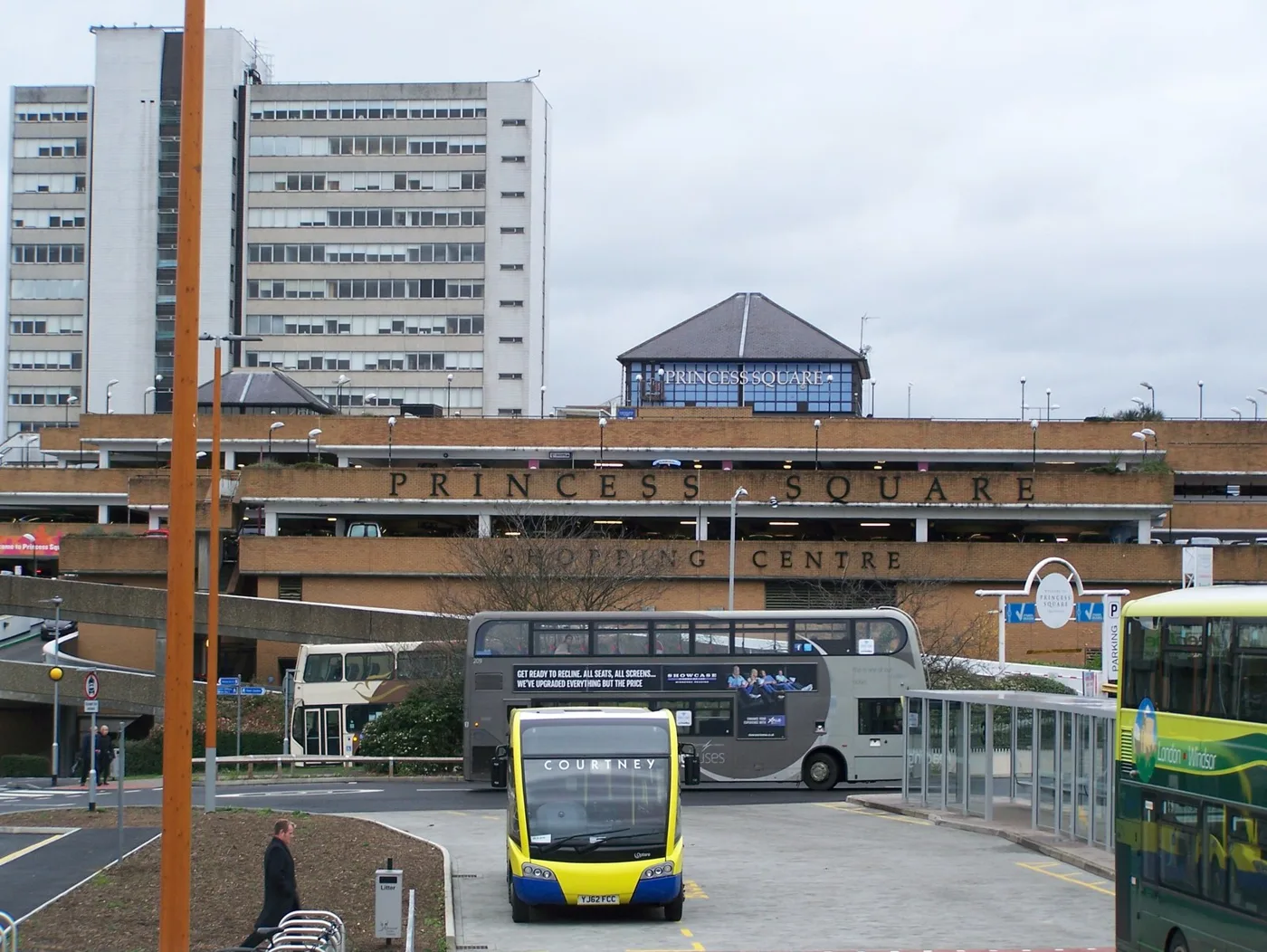

Routes 53, 108, 150, 156, 157 and 158 are under review ahead of new contracts in August 2028. Bracknell Forest's survey is open until 30 November.
Bracknell Forest Council has started a review of the bus routes it subsidises, and residents have until Monday 30 November to tell it how they travel.
The council announced the survey on 28 September. It says the feedback will shape the next set of bus contracts. On the council’s timetable, those start in August 2028.
The routes the council pays towards are:
- 53, Bracknell to Wexham Park Hospital via Maidenhead
- 108, Bracknell bus station to Jennett’s Park via Wildridings
- 150, Bracknell bus station to Binfield
- 156, Bracknell bus station to Harmans Water, via The Parks and Brants Bridge
- 157 and 158, the North Bracknell circular through Harvest Ride, Warfield and Bullbrook, one in each direction
All six are run by Thames Valley Buses, which lists them on its own route pages.
How to take part
The survey is on the council’s Bracknell Bus Survey site. It has two parts:
- a short questionnaire about the buses you use, or why you do not
- an interactive map, where you can mark journeys you make by any means and places where you want bus improvements
Paper copies are available in the borough’s libraries for anyone without internet access.
The council wants to hear from non-users too. The survey site says it wants views “whether you use buses every day, occasionally, or not at all”. Problems with a bus stop, or with the path to one, also count. Cllr Guy Gillbe, the cabinet member for transport, said the council wants to hear about those.
One small trap: the council’s buses page gives the closing date as “Friday 30 November”. 30 November 2026 is a Monday, which is what the council’s news release says.
Why the north of the town has the most at stake
The routes under review are not a random selection. The council’s own Bus Service Improvement Plan, updated this year, sets out the split.
Buses in the southern estates run commercially. The 171 and 172 loops each run every 30 minutes, giving those estates a bus every 15 minutes. The northern estates, the plan says, “rely entirely on supported services”. It adds that frequencies in parts of the north are half those in the south.
The plan lists these daytime frequencies, Monday to Saturday, for the supported routes:
| Route | Where it runs | Daytime frequency |
|---|---|---|
| 53 | Bracknell, Maidenhead, Wexham Park Hospital | Every 60 minutes |
| 108 | Bracknell, Jennett's Park | Every 40 minutes |
| 150 | Bracknell, Binfield | Every 30 minutes |
| 156 | Bracknell, Harmans Water | Every 60 minutes |
| 157 and 158 | North Bracknell estates circular | Every 60 minutes in each direction |
Source: Bracknell Forest Council, Bus Service Improvement Plan (updated 2026), table 3.1. Operators can change timetables between plan updates, so check Thames Valley Buses for today’s times.
What the council spends
The plan puts council spending on supporting bus services at £944,301 in 2023/24. The Department for Transport added £213,779. Reimbursing operators for journeys made on bus passes cost a further £797,314.
Taken together, the plan says, supported services and bus pass reimbursement cost the council “in the region of £1.75 million per year”.
Supported routes account for 28% of the vehicle kilometres run on local buses in the borough, according to the same document.
This follows three routes being cut
The survey comes six months after the council withdrew funding from three routes. Its March announcement said the decision was agreed at full council in February.
- The 299, serving parts of Winkfield and Warfield, ran for the last time on 15 April.
- The 598, from Crowthorne station to Camberley through Little Sandhurst, ran for the last time on 14 April.
- The 151 and 151A, linking Bracknell and Wokingham through Binfield, stopped at the end of July.
At the time, the council said some trips on those routes cost it up to £16 per person each way. It pointed users to community transport such as Keep Mobile and voluntary car schemes instead.
The new survey is framed differently. The council says it wants the supported routes to “remain fit for purpose, provide value for money and connect people to where they want to go”. It has not said whether it expects to spend more, less or the same when the contracts are renewed.
What happens after 30 November
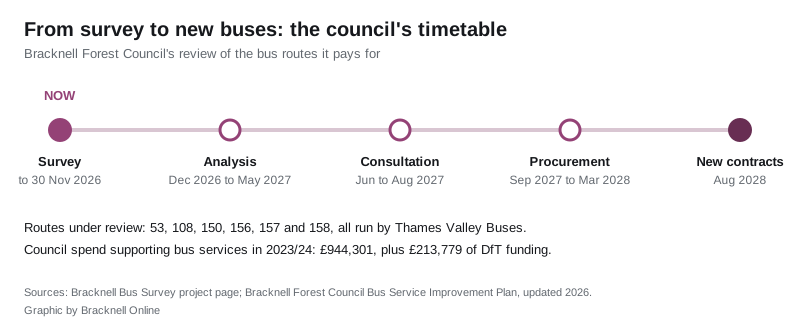
The survey site sets out the timetable:
- December 2026 to May 2027: the council analyses the feedback and draws up proposals
- June to August 2027: it publishes the findings and consults on the proposals
- September 2027 to March 2028: it procures the new bus services
- August 2028: the new contracts start
The council has commissioned the consultancy Haskoning to help analyse the responses and develop proposals. Survey findings will be shared with bus operators, with any quotes kept anonymous.
What it means for you
- If you rely on the 53, 108, 150, 156, 157 or 158, this is the moment to say so. These are the routes whose future shape is being decided.
- If you do not use the bus, the council wants to know why. The map lets you mark journeys you currently make by car or on foot.
- Mark specific stops. Broken shelters, missing paths and unsafe crossings are all in scope.
- You get a second chance in summer 2027, when the actual proposals go out to consultation.
- For questions, the council’s highways and transport team is on 01344 352000 or highways.transport@bracknell-forest.gov.uk.
For the roads the buses use, see our weekly Bracknell roadworks page, and for rail, Bracknell train times to London.
Have your say