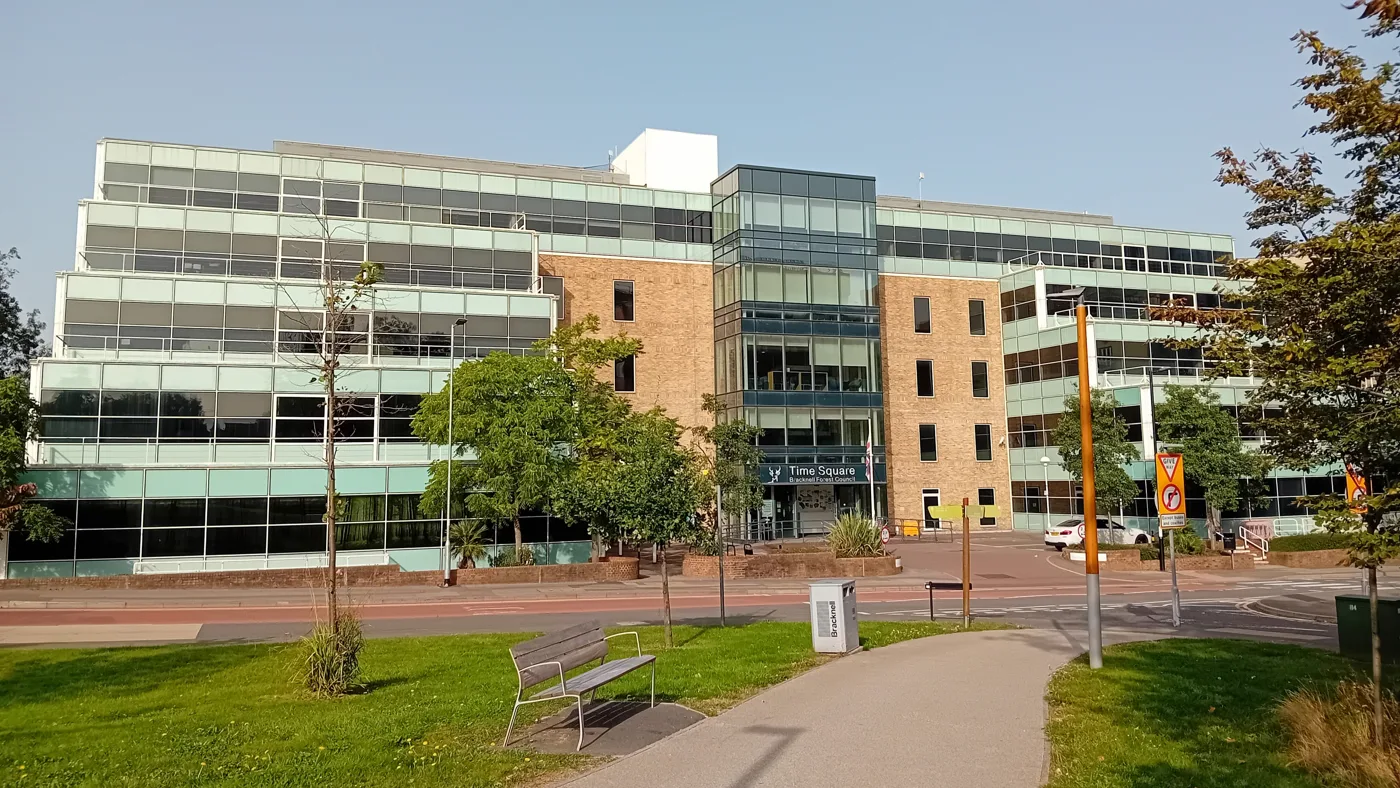

Cabinet will decide on 3 November whether to answer a call for 100% council tax relief for terminally ill residents. Councillors backed it unanimously.
Bracknell Forest’s Cabinet will consider on Tuesday 3 November whether people with a terminal illness should stop paying council tax. The date was set in a notice of key decision published on Thursday 1 October.
It follows a motion that councillors supported unanimously at the full council meeting on 9 September.
What the council agreed in September
Motion 04-26 was moved by Councillor M Forster and seconded by Councillor Zahuruddin. It says “life is often more expensive when you live with a terminal diagnosis”.
The council resolved to:
- support, in principle, the Marie Curie campaign for council tax relief for terminally ill residents
- ask the Cabinet to report back to full council on the financial and other implications of offering 100% council tax relief to people diagnosed with a terminal illness
The motion names Manchester City Council as the example to follow. It suggests eligibility could rest on an SR1 form. That is the form a clinician completes to confirm a patient has a progressive disease and is expected to die within 12 months.
What happens on 3 November
The Cabinet will consider a report from Stuart McKellar, the council’s executive director of resources. The notice says the financial impact could be “potentially significant”, depending on the detailed eligibility rules.
The report is due to be published five clear days before the meeting. The notice does not say whether officers will recommend a scheme or what it would cost. The meeting answers the motion’s request for the implications, so a final decision may also need to go back to full council.
Nearby councils already do this
Elmbridge Borough Council in Surrey, about 18 miles east of Bracknell, started a scheme on 1 April 2026. It works like this:
- a household where someone is terminally ill can have its bill cut to £0, after all other discounts and support
- it covers the bill payer, a partner, dependent children and direct relatives living in the home
- it needs an SR1 form
- it ends three months after the person dies or moves into a hospice, care home or hospital, and lasts no more than two years
What it means for you
Terminal illness is not among the council tax discounts Bracknell Forest publishes now. The support that does exist depends on age and income. Under the council’s Council Tax Support scheme:
- pension-age households can have the whole bill covered, subject to a £16,000 savings limit unless they receive Pension Guarantee Credit
- working-age households can get at most 80% off, plus £50 off in 2026/27, so a terminally ill working-age resident still pays part of the bill
A 100% relief would remove the bill entirely for those who qualify. The chart shows what a full year costs in Bracknell town. Our council tax bands page has the figures for every parish.
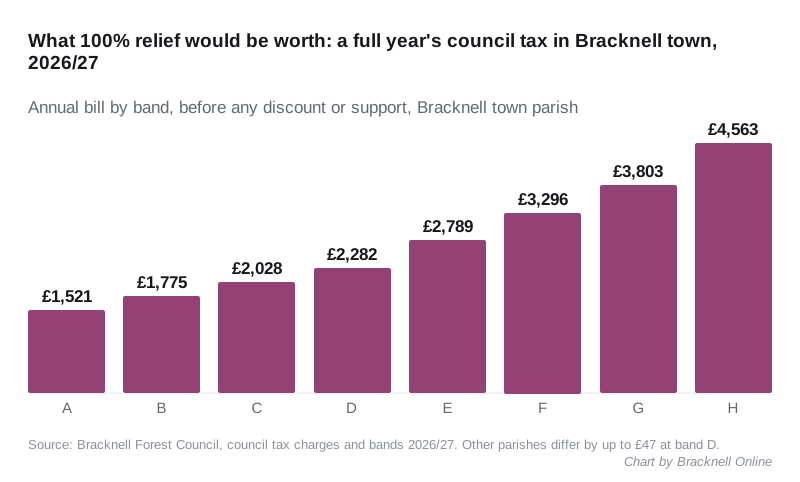
The bills are from the council’s 2026/27 charges table. Band D in Bracknell town is £2,281.56. Band A is £1,521.03 and band H is £4,563.12.
Anyone who wants to comment before the decision can write to the executive director of resources at Time Square, Market Street, Bracknell, RG12 1JD, or email stuart.mckellar@bracknell-forest.gov.uk, as the notice invites. We will report what the Cabinet report proposes when it is published.
Have your say